50 years with hands on the craft
At Ortofon, much of today’s work is driven by technology, automation, and innovation. But in the MC department, it is still the hands that decide. For 50 years, Marianne has worked right here, with precision, pace, and a craft that demands more than measurements. In a place where some of Ortofon’s most iconic cartridges are created, one movement at a time.
This is the story of the work behind the needle.

She does the same thing she has always done. Places the part, adjusts it, looks once, and only then looks again. The movement is calm, precise, and familiar. This is how her work has looked for decades. Back then, there was only one floor on Stavangervej in Nakskov. The machines were different. The pace was different. Much was done by hand, and much was learned along the way. “You had to learn to feel it in your fingers,” she says.
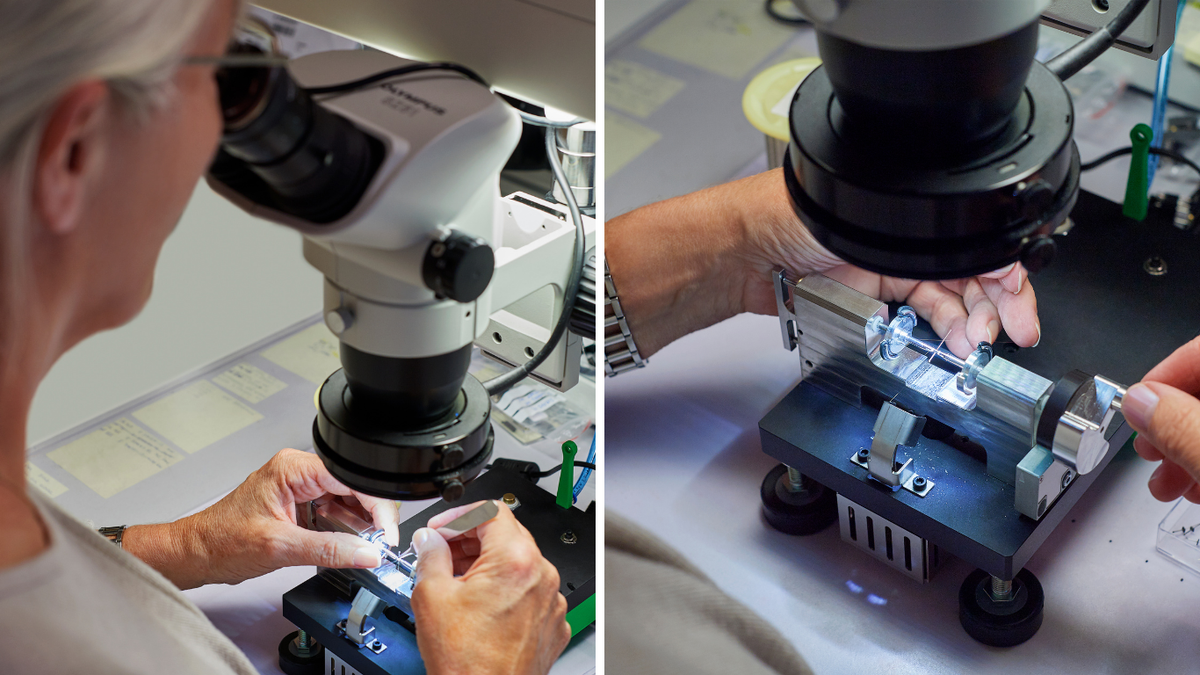
Today, Ortofon is a modern, technology-driven company with advanced and highly automated production processes. Innovation, precision, and technology play a decisive role in the development of many of the company’s cartridges, where machines, automation, and measurements are a natural part of everyday work. But in MC production, it is still the hands that decide. Assembly here is done manually, from winding the extremely fine coils to mounting the stylus and cantilever. The wires being wound are so thin they can barely be felt against the fingertips. Each turn is counted, one by one. Under the microscope, the windings must appear perfectly symmetrical.
There is no difference whether it is a classic SPU or one of the most advanced MC cartridges. The same care. The same requirements. The same responsibility.

The beginning and the SPUs
When Marianne joined Ortofon, she had no idea it would become the beginning of a working life spanning 50 years. She does not remember her first day in detail. But she remembers the feeling. “Thinking: this is never going to work.” Everything was small. Everything was connected. And everything had to be right. Not approximately right, but precisely right. The holes. The parts. The alignment. There was nowhere to hide if something was even slightly off. Uncertainty was always just beneath the surface. Could she get it perfectly aligned? Would the work hold up?
Some of the first products she worked on were the SPUs. At the time, it was simply one task among many. But almost without noticing, this became where her work found its natural center. “Yes,” she says. “It was the SPUs. And it still is. It has always been.”
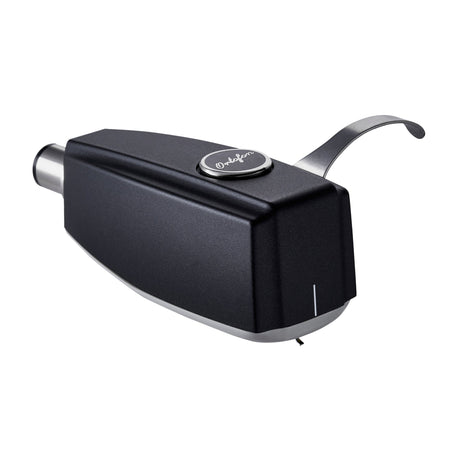
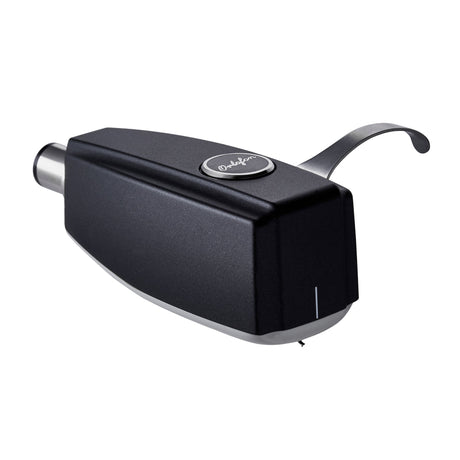
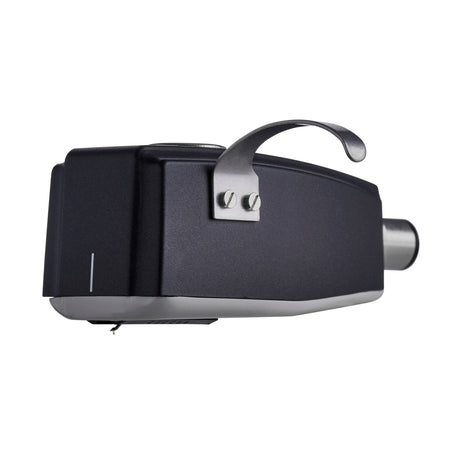
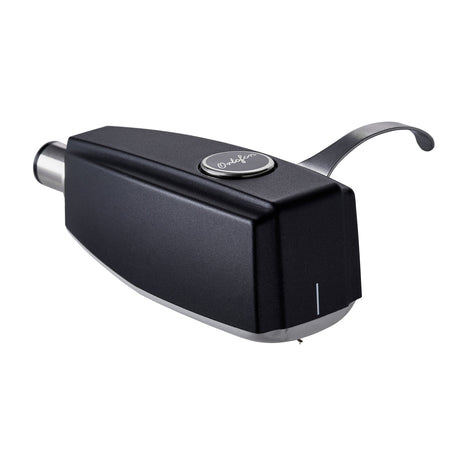
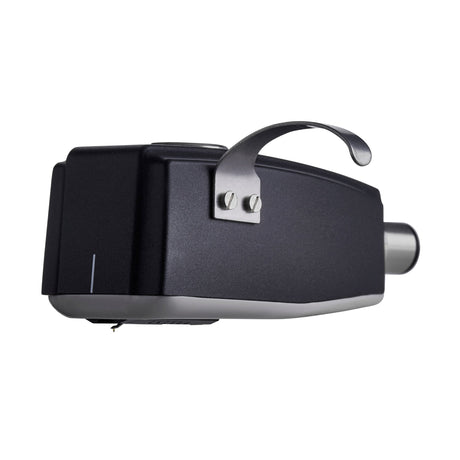
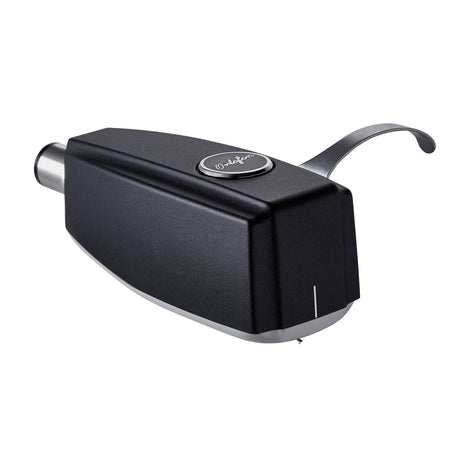
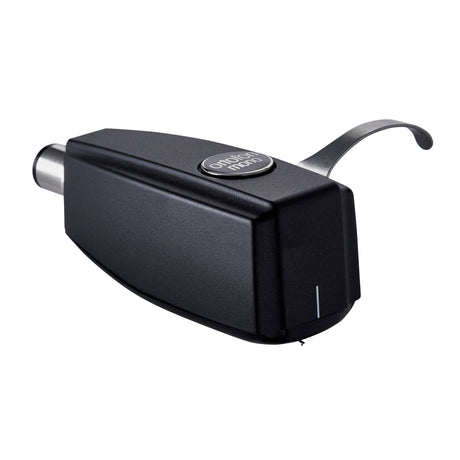
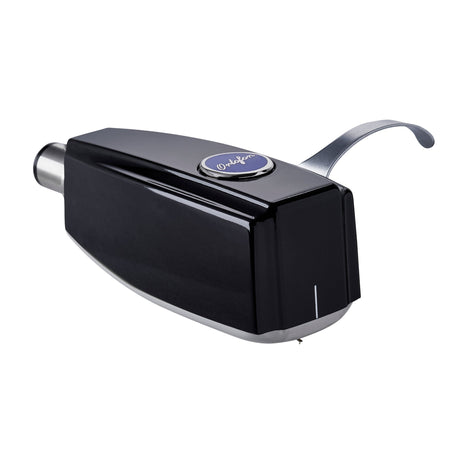
The SPU series holds a special place in Ortofon’s history, and in the history of vinyl. The name “SPU” stands for Stereo Pick-Up, the term used at the dawn of the stereo era to describe cartridges capable of reproducing the new stereo records. The first SPU was introduced in the late 1950s and quickly set a new standard for both professional studios and audiophile listeners. Since then, the SPU design has remained in continuous production and earned a worldwide reputation for its natural, powerful, and musical sound. It was into this tradition that Marianne stepped, long before she thought in terms of experience or specialization.
Over the years, she worked in other areas and on other products, but the SPUs remained the common thread. Not as a deliberate choice, but as a natural focal point. This was where the work made the most sense. Where experience was allowed to deepen.
Today, Marianne is regarded as Ortofon’s SPU specialist. She is the one people turn to when it comes to SPUs, to processes, details, and quality. She has seen materials change. Processes adjusted. People come and go. And she herself was left with a manual skill that gradually became part of what the product is built on. Not something that can be fully described in a process document, but something embedded in how the work is done. “When you talk about SPUs here, you also talk about Marianne,” says team leader Tina. “She has had her hands on them for so many years that her way of working has almost become part of the product. It creates a continuity and a sense of trust that you can’t systematize.” The path there, however, involved adjustments. One of the things Marianne was most nervous about early on was precision. Getting everything exactly right. And at the same time, something unexpected happened. She worked too fast. “I got told off,” she smiles. “Because I finished far too quickly.” There were 40 SPUs in a box. It was supposed to take time. Not because speed didn’t matter, but because quality did.
That was when Marianne found the balance she has worked by ever since. She had speed in her hands. She learned quickly. She had a feel for the work. But she also learned patience. To stop, look again, and correct before anything moved on.
-
$1,174.99Unit price /Unavailable
-
$1,363.99Unit price /Unavailable
-
$838.99Unit price /Unavailable
-
$964.99Unit price /Unavailable
-
$1,300.99Unit price /Unavailable
-
$1,415.99Unit price /Unavailable
-
$1,237.99Unit price /Unavailable
-
$2,276.99Unit price /Unavailable
Experience that becomes knowledge
Much of what Marianne knows today is not written down in any manual. Work at Ortofon is built on fixed tolerances, well-defined processes, and continuous control. But within those frameworks exists a layer that only comes with experience. “You have to work with it to truly learn it,” she says. In MC and SPU production, measurements and instructions are the foundation. They set the frame and ensure quality. But when the work becomes extremely fine, when tolerances are tiny and components almost invisible, it is the manual skill that determines how the movement is executed.
You see it in the details. When the hand turns just slightly. When there is a brief pause before continuing. When something is correct on paper, but still needs adjustment before it feels right. Under the microscope, the work looks razor-sharp. Perfectly symmetrical windings. Wires so fine they can barely be felt. But behind the precise result lie repetition, practice, and many years of experience. What makes the work special is that every SPU is assembled by hand, yet must never sound handmade. They must behave the same. Every time. Across decades.
It takes months to learn the processes. And years to learn how to see the difference.
Marianne has trained many people over the years. She knows how difficult it is to explain something that has become part of the body, precisely because it cannot be reduced to a single instruction. Training is therefore as much about showing when to act as when not to. “Marianne doesn’t just train from a checklist,” says Tina. “She stands beside people, shows the movement, lets them try, and then corrects calmly if something doesn’t feel right.” This is where her particular combination becomes clear. The patience to wait, and the confidence to know when not to. The perfectionism is there, but without becoming rigid. For her, the work is neither about speed nor slowness, but about reaching the right level and only passing something on when it truly is there. When you have worked with the same craft for many years, your perspective changes. It is no longer just about following a process, but about understanding where it can become more stable. More secure. More precise.
At Ortofon, development does not take place in isolation from production. Engineers, development teams, and production work closely together, and the experience of those who handle the work every day plays a crucial role. For Marianne, this insight has been a natural part of her work. Not as grand ideas, but as precise observations born from repetition. “Marianne often sees the challenges before they become real problems,” says Tina.
“That’s experience you can’t read yourself into.” That is why Marianne is also consulted. Not only by colleagues in production, but by development and engineering teams as well, especially when it comes to SPUs. This is where her role as Ortofon’s SPU specialist becomes clear. When something doesn’t behave as it should, she often knows where to start looking. In the assembly. In the rubber. In the tolerances. In the small details where the difference is made. This is the kind of knowledge that cannot be fully written down. But it lives on in the products, in the processes, and in the hands she has trained.

Colleagues, pace, and responsibility
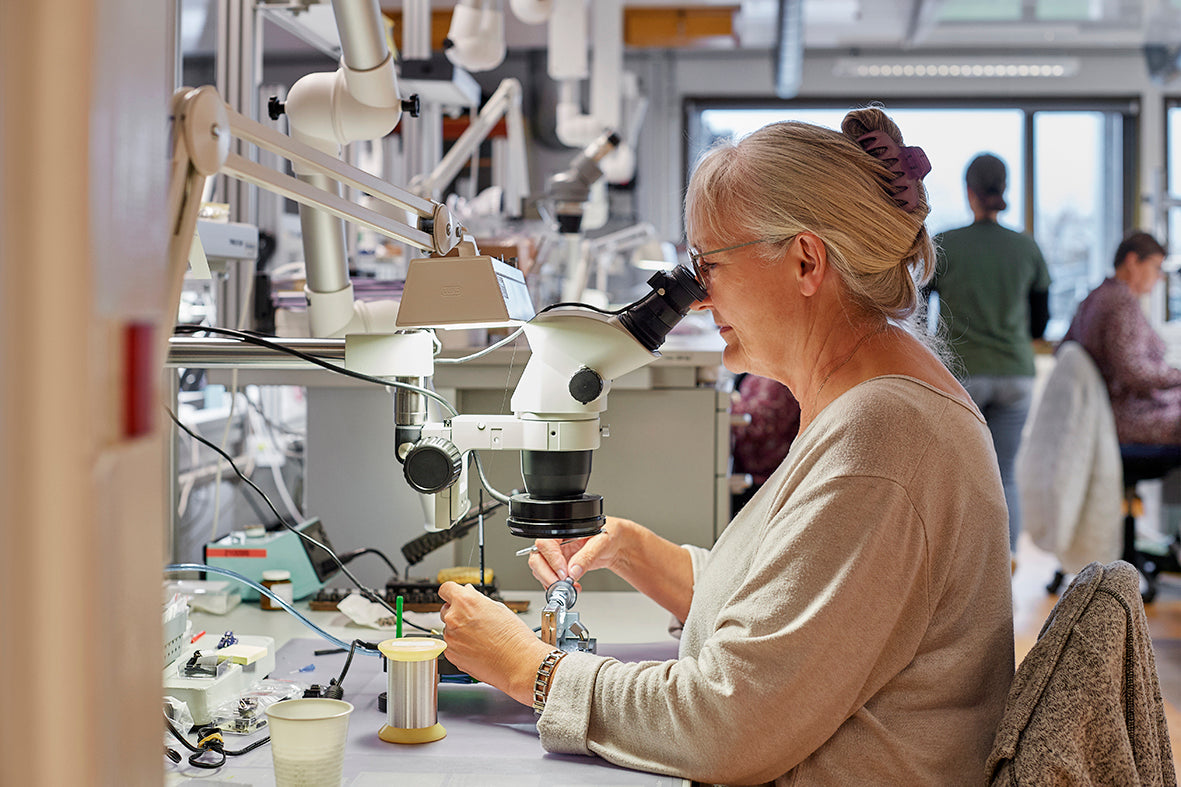
Over time, some people become reference points. Not because they speak the loudest, but because they have been there long enough to understand the connections. Marianne is one of them. The one you rely on. The one you turn to when something doesn’t behave as expected, and when more than a quick explanation is needed.
Much has changed over the 50 years she has been at Ortofon. New buildings. New machines. New cartridges. Production has become more efficient, technology more advanced, and requirements higher. The pace has increased. But the balance between speed and precision has remained the same. “You have to be fast,” says Marianne. “But you can also be too fast. And then it becomes sloppy.” That understanding does not come from theory, but from experience. From having seen how even small deviations can have consequences later. In work with SPUs, where tolerances are extremely small and everything is assembled by hand, speed is necessary, but never at the expense of detail. Precision takes the time it takes. She is often described as calm. As someone who radiates confidence, even when the work is demanding. Marianne smiles at that description. “I once threw a cartridge across the room,” she admits. “Because it just wouldn’t work.” As Tina puts it, Marianne is calm, but she also has temperament. Over the years, more than one cartridge has ended up in the bin in frustration. But they are almost always picked up again. Put aside for a while. And finished until they work as they should. It says something fundamental. Not just about Marianne, but about Ortofon. The standards have always been high. First and foremost, the standards you set for yourself and for the work that leaves your hands.
That is where the calm comes from. From knowing that if something isn’t right, you keep working until it is. Because the work behind the needle is not about being seen. It is about making sure that what is heard is right.